

Dubai Airbnb Pool and Gym Access: An Owner’s Amenity Checklist
Check pool and gym access in your Dubai Airbnb: building permissions, shared facilities, accurate listings, closure notices and guest updates.
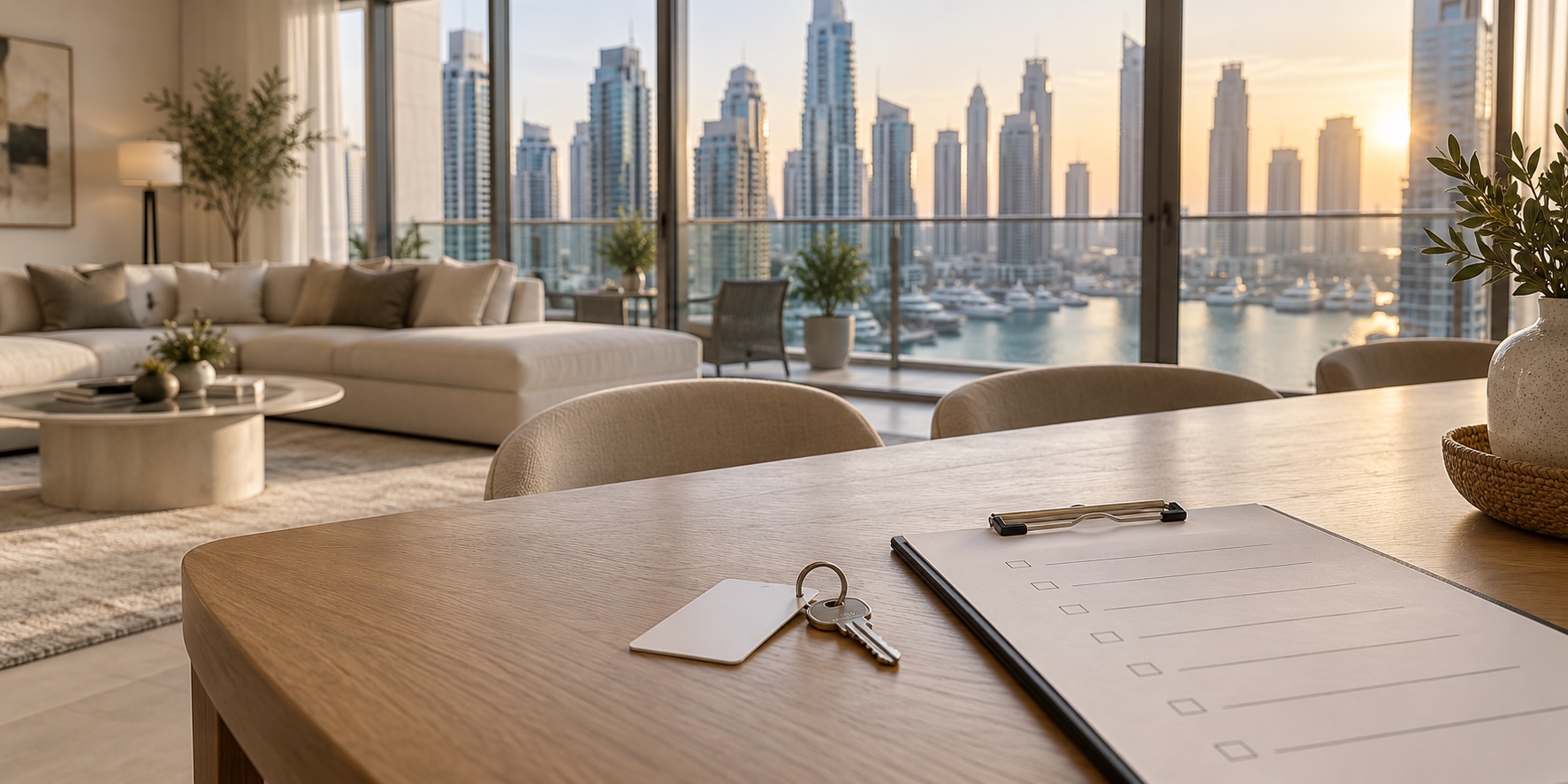
A pool or gym in a Dubai apartment building can influence a guest’s choice, but its presence in the tower does not establish what a holiday-home guest can use. Owners need a clear record of access, opening times, restrictions and changes before those facilities become part of a listing promise.
For owners comparing Airbnb management in Dubai, amenity coordination is a useful practical question: who checks with the building, who updates the listing, and who tells guests when something changes? This guide sets out an owner review process for shared pools and gyms.
Start with a building-specific access record
Ask the management team to obtain current written information from the building’s authorised management contact. A sales brochure, an old owner email or a working resident card is an incomplete basis for describing guest access. Check the position for your unit and intended guest use.
Create one record containing the facility name, location, permitted users, opening hours, access method, applicable charges and source of confirmation. Add the date checked and the person responsible for the next review. Where an answer remains uncertain, resolve it before advertising the feature.
- Eligibility: are registered holiday-home guests permitted, and is advance registration required?
- Entry: which card or other approved process allows access, and who arranges it?
- Conditions: what opening times, age restrictions, supervision rules or booking requirements apply?
- Costs: is access included, or does an approved separate charge apply?
- Availability: are any closures, reduced hours or planned works already known?
These are questions to verify with the individual building, not universal rules for Dubai towers. Keep the actual building instructions available to the guest-support team so staff do not improvise answers.
Describe shared and private facilities precisely
Airbnb’s guidance on confirming amenities asks hosts to distinguish facilities reserved for a guest’s private use from facilities shared with others. An entire apartment does not make the building pool or gym private.
Use the relevant amenity settings and clear wording in the description. Identify a shared building facility as shared, and explain any verified registration or access process. Do not describe a nearby paid club as an included on-site facility, or assume guests can use another tower’s amenities.
Review claims such as heated, temperature-controlled, rooftop, open all day or suitable for children individually. Each describes something a guest may rely on. If the team cannot substantiate a claim, remove or correct it rather than treating the original wording as proof.
Match the listing promise to actual access
Airbnb’s ground rules for home hosts require accurate amenity information and disclosure of access restrictions, including limits on pool hours or seasonal availability. Put material restrictions where prospective guests can see them before booking.
Give the listing editor a small evidence pack: building confirmation, current facility information and approved wording. Then check the published amenities, description and photo captions together. An accurate paragraph can still be undermined by an outdated headline or a caption suggesting exclusive use.
Use genuine, authorised photographs of the facility being offered. This article’s editorial illustration is not evidence of amenities at a bookable apartment. Our listing-photo review guide covers the wider accuracy check.
Test the arrival process as a guest would use it
Before launch or after an access change, arrange a permitted check of the actual guest route. Confirm where the facility is, how the approved card or registration works, and where the guest finds opening times and posted instructions. Follow building procedures throughout.
Record which access items belong to the apartment and who checks them between stays. If a card is missing, support staff need a named contact and an approved replacement route. Do not promise immediate replacement or unrestricted entry unless the building has confirmed it.
Add concise facility directions to the arrival information. A guest should not need to discover a registration requirement at the pool entrance with no way to reach support.

Turn a closure notice into an assigned task
Agree how building notices reach the manager: an owner forwarding route, a monitored building contact or another authorised channel. Name a backup person. A notice left in one person’s inbox can miss both the listing editor and the team handling an imminent arrival.
For each closure, record the affected facility, notice time, start date, expected end date, source and next update time. Distinguish a provisional reopening estimate from a confirmed reopening. Ask what is known about access today instead of repeating a repair target as a guarantee.
- Verify the notice with the appropriate building contact and save the evidence.
- Identify current and future reservations overlapping the affected period.
- Correct advertising and scheduled guest messages across managed channels.
- Contact affected guests promptly with the confirmed facts and support route.
- Assign the next availability check and record any agreed guest resolution.
Updating a listing addresses future advertising; it does not by itself resolve an earlier booking made with a different expectation. Keep the original booking context available when reviewing the effect on an existing reservation.
Communicate facts and review remedies case by case
A useful closure message names the facility, the dates currently known, the effect on the stay and when the next update will arrive. If reopening is unconfirmed, say so. Keep reservation-specific communication in the booking channel so the team can follow the same record.
An alternative needs its own checks. Before offering another gym or pool, verify permission, availability, distance, charges and any conditions. Describe the differences clearly and obtain agreement before incurring costs on the guest’s behalf. A suggestion is not a substitute already accepted by the guest.
Airbnb’s Rebooking and refund policy for homes includes advertised special amenities that are absent or not functioning among potential Reservation Issues. Outcomes depend on the circumstances and evidence. There is no universal pool-closure refund percentage in that policy.
Ask who can approve a proposed remedy, who contacts Airbnb where needed, and who records the outcome. Follow the current platform process promptly. Keep the owner’s approval arrangements clear without assuming an internal approval limit determines a guest’s platform rights.
Confirm reopening before restoring the promise
Close the task with evidence that the building has reopened the facility and the approved guest access works again. Restore listing details and automated messages consistently. Tell guests awaiting an update, including those already staying, what has been confirmed.
The owner’s file should show the notice, affected bookings, messages, decisions, any actual charges or refunds and the reopening check. Link financial adjustments to the relevant reservation in the owner statement so an amenity incident can be reconciled later.
Five questions for your management review
- Can I see the latest written confirmation of guest pool and gym access?
- Do the live listings distinguish shared facilities and disclose verified restrictions?
- Who receives building notices, and who covers their absence?
- How are affected reservations identified and guests contacted?
- What evidence confirms that access has resumed and any agreed remedy is complete?
For Airbnb management in Dubai, send StayinDubai your property details and any current building-access information. Discuss how listing accuracy, guest support and building coordination would fit your property’s management scope.
Published 1 November 2026. This is an operational checklist. Building arrangements vary; verify current permissions and platform policies for the property and reservation concerned.


